Buy zindering.be ?
We are moving the project
zindering.be .
Are you interested in purchasing the domain
zindering.be ?
domain@kv-gmbh.de · 0541-91531010
Buy zindering.be ?
How do you eliminate n^2, 2n, n, and 6?
To eliminate n^2, 2n, n, and 6, you can factor out the common factor, which is n, from each term. This will leave you with n(n + 2 + 1 + 6/n). **
How do you calculate the factorial of n=6?
To calculate the factorial of n=6, you would multiply 6 by each positive integer less than 6. So, 6! (read as "6 factorial") is equal to 6 x 5 x 4 x 3 x 2 x 1, which equals 720. Therefore, the factorial of n=6 is 720. **

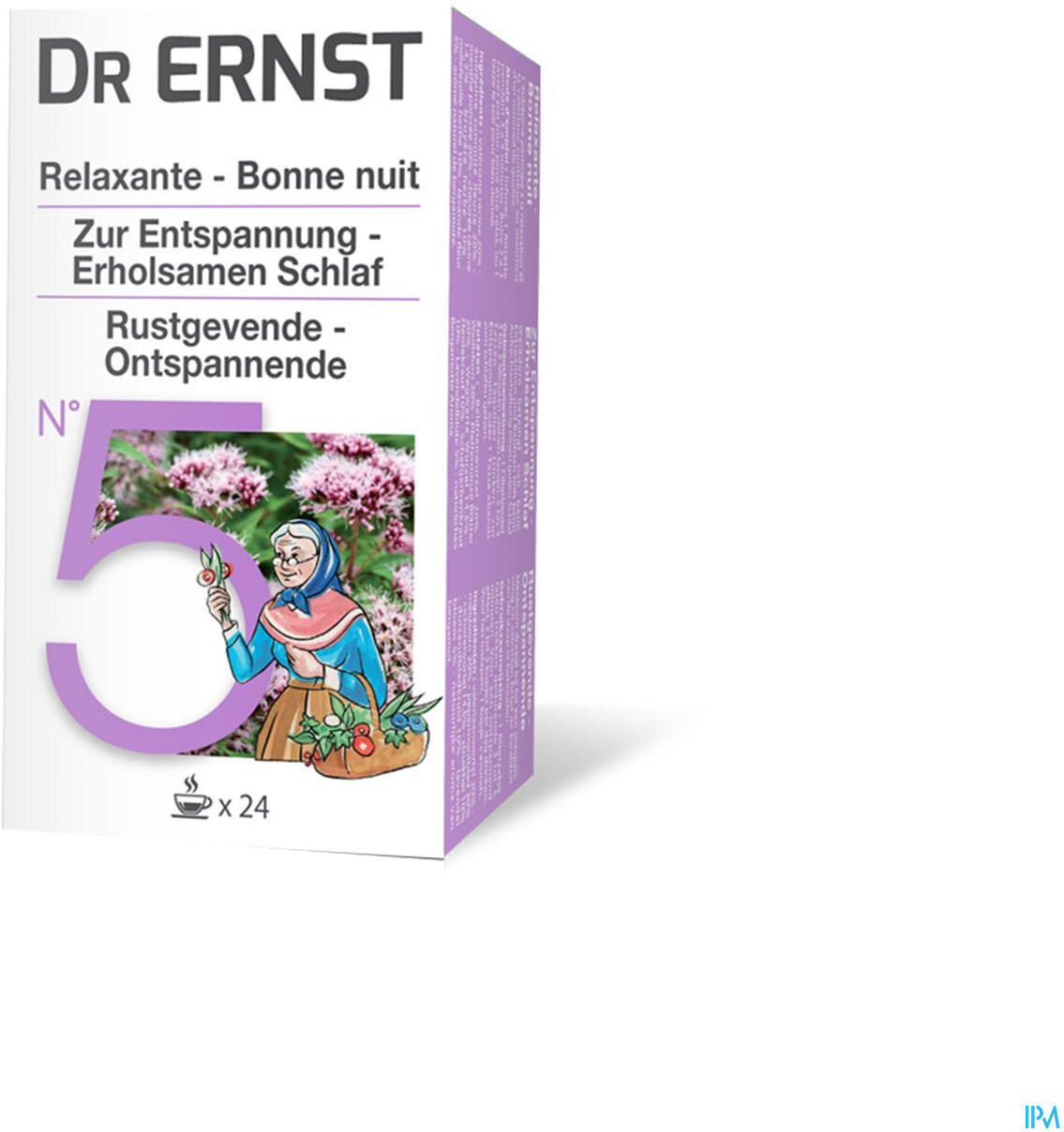
Similar search terms for Dr-Ernst-N-6
Top-Angebote
Products related to Dr-Ernst-N-6:


-
Does it say "Ich nimms nicht ernst" or "Ich nehm's nicht ernst"?
The correct phrase is "Ich nehm's nicht ernst." This is a colloquial way of saying "I don't take it seriously" in German. The apostrophe in "nehm's" indicates that the "e" from "nehm" is dropped and replaced with the apostrophe to form a contraction. **
-
What does "halb ernst gemeint" mean?
"halb ernst gemeint" is a German phrase that translates to "half serious" in English. It is used to indicate that something is meant to be taken somewhat seriously, but not entirely so. It suggests a mix of seriousness and lightheartedness in the statement or action. **
-
What is known about Ernst Haeckel?
Ernst Haeckel was a prominent 19th-century German biologist, naturalist, and artist. He is best known for his work in the fields of evolutionary biology and zoology, and for coining the terms "ecology" and "phylum." Haeckel also made significant contributions to the study of marine biology and was a strong advocate for Darwin's theory of evolution. However, he was also controversial for his views on race and his support for the concept of "social Darwinism." Additionally, Haeckel was a talented artist and is well-known for his intricate and detailed illustrations of various species, particularly in his famous work "Kunstformen der Natur" (Art Forms in Nature). **
-
What is the probability that a die shows a 6 in n throws?
The probability of rolling a 6 on a fair six-sided die is 1/6 for each individual throw. Therefore, the probability of rolling a 6 in n throws can be calculated using the formula for independent events: P(6 in n throws) = 1 - (5/6)^n. This formula represents the probability of not rolling a 6 in n throws, and subtracting it from 1 gives the probability of rolling at least one 6 in n throws. **

'N or n-sample in statistics?'
In statistics, an N-sample refers to a sample size of N, where N represents the number of individual observations or data points in the sample. The letter N is often used to denote the size of a sample in statistical analysis. It is important to have a sufficiently large sample size (N) to ensure the reliability and validity of statistical results. A larger sample size generally leads to more accurate and precise estimates of population parameters. **
What is the Ernst M. Arndt Volkshass?
The Ernst M. Arndt Volkshass is a German term that translates to "people's hate" in English. It refers to the collective anger or resentment felt by a group of people towards a particular individual, group, or entity. This concept is often used to describe the widespread animosity or hostility that can arise within a society towards those perceived as oppressive or unjust. The Ernst M. Arndt Volkshass highlights the power of collective emotions and the potential for social movements or revolutions to emerge from shared feelings of discontent. **
Top-Angebote
Products related to Dr-Ernst-N-6:
-
How do you eliminate n^2, 2n, n, and 6?
To eliminate n^2, 2n, n, and 6, you can factor out the common factor, which is n, from each term. This will leave you with n(n + 2 + 1 + 6/n). **
-
How do you calculate the factorial of n=6?
To calculate the factorial of n=6, you would multiply 6 by each positive integer less than 6. So, 6! (read as "6 factorial") is equal to 6 x 5 x 4 x 3 x 2 x 1, which equals 720. Therefore, the factorial of n=6 is 720. **
-
Does it say "Ich nimms nicht ernst" or "Ich nehm's nicht ernst"?
The correct phrase is "Ich nehm's nicht ernst." This is a colloquial way of saying "I don't take it seriously" in German. The apostrophe in "nehm's" indicates that the "e" from "nehm" is dropped and replaced with the apostrophe to form a contraction. **
-
What does "halb ernst gemeint" mean?
"halb ernst gemeint" is a German phrase that translates to "half serious" in English. It is used to indicate that something is meant to be taken somewhat seriously, but not entirely so. It suggests a mix of seriousness and lightheartedness in the statement or action. **
Similar search terms for Dr-Ernst-N-6
-
What is known about Ernst Haeckel?
Ernst Haeckel was a prominent 19th-century German biologist, naturalist, and artist. He is best known for his work in the fields of evolutionary biology and zoology, and for coining the terms "ecology" and "phylum." Haeckel also made significant contributions to the study of marine biology and was a strong advocate for Darwin's theory of evolution. However, he was also controversial for his views on race and his support for the concept of "social Darwinism." Additionally, Haeckel was a talented artist and is well-known for his intricate and detailed illustrations of various species, particularly in his famous work "Kunstformen der Natur" (Art Forms in Nature). **
-
What is the probability that a die shows a 6 in n throws?
The probability of rolling a 6 on a fair six-sided die is 1/6 for each individual throw. Therefore, the probability of rolling a 6 in n throws can be calculated using the formula for independent events: P(6 in n throws) = 1 - (5/6)^n. This formula represents the probability of not rolling a 6 in n throws, and subtracting it from 1 gives the probability of rolling at least one 6 in n throws. **
-
'N or n-sample in statistics?'
In statistics, an N-sample refers to a sample size of N, where N represents the number of individual observations or data points in the sample. The letter N is often used to denote the size of a sample in statistical analysis. It is important to have a sufficiently large sample size (N) to ensure the reliability and validity of statistical results. A larger sample size generally leads to more accurate and precise estimates of population parameters. **
-
What is the Ernst M. Arndt Volkshass?
The Ernst M. Arndt Volkshass is a German term that translates to "people's hate" in English. It refers to the collective anger or resentment felt by a group of people towards a particular individual, group, or entity. This concept is often used to describe the widespread animosity or hostility that can arise within a society towards those perceived as oppressive or unjust. The Ernst M. Arndt Volkshass highlights the power of collective emotions and the potential for social movements or revolutions to emerge from shared feelings of discontent. **
* All prices are inclusive of VAT and, if applicable, plus shipping costs. The offer information is based on the details provided by the respective shop and is updated through automated processes. Real-time updates do not occur, so deviations can occur in individual cases. ** Note: Parts of this content were created by AI.